This article is based on the presentation of the author on 12th of January 2024 at the Actualiteitendag Agrarisch Recht 2024, Arnhem, hostet by the Instituut voor Agrarisch Recht. As this article was published at a later date, the legal developments that had come into force by the time of publication are also taken into account.
Introduction
Actually, German agricultural law is embedded in the greater legal developments trying to deal with climate change and adaption hereof on the one hand and economic challenges on the other. Thus agricultural specific needs have been addressed by tax law for example recently, to mention the Höfeordnung for example, national finance needs have their effect deterioating the economic situation of farms, leading to farmers protests for instance.
- **Climate Protection and Nitrate Directive**: The Climate Protection Act mandates ambitious reductions in greenhouse gas emissions, including in agriculture. Germany’s compliance with the EU’s nitrate directives, especially after the 2023 amendments, remains a critical issue, with ongoing legal disputes over the vague procedural requirements for nitrate measurement.
- **Moorland Protection**: National strategies on biodiversity and bogs focus on restoring wetlands, leading to conflicts with farmers over water levels, land access, and pre-emption rights. This has resulted in numerous litigations, with ongoing debates about the best practices for balancing environmental protection and agricultural needs.
- **Renewable Energies**: Farmers are increasingly involved in renewable energy projects, but uncertainties remain, particularly regarding the Renewable Energy Sources Act and compensation for land use. Recent legislation, such as the „Solarpaket I,“ has provided some victories for farmers, but challenges persist.
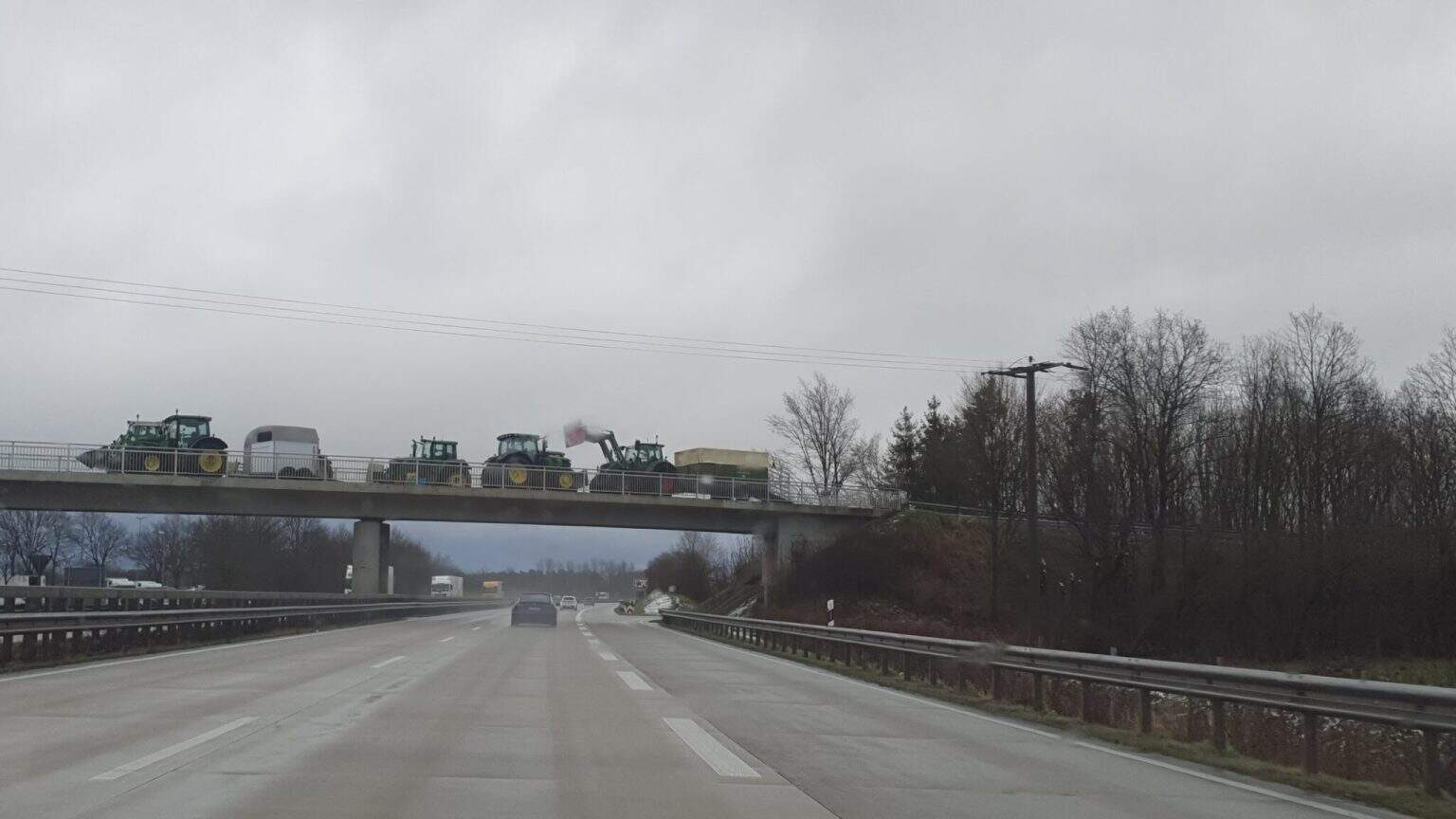
- **Farmers Protests**: Protests driven by tax reforms, particularly the reduction of tax refunds on diesel, have led to significant political impacts, including influencing EU legislation. The protests also highlight broader dissatisfaction with bureaucracy and economic pressures within the agricultural sector.
- **Agrarian Structure Law**: Various state parliaments are debating new laws to prevent land crabbing, with a focus on share deals. The legal complexities around free movement of capital remain unresolved.
- **Höfeordnung and Property Tax**: Changes in property tax valuation and the German Ordinance on entailed succession of agricultural estates (Höfeordnung) are causing concern among farmers, particularly with the new assessment methods that will take effect after 2025.
- **CAP 2027 and Market Conditions**: The Common Agricultural Policy (CAP) 2023-2027 presents challenges such as the GLöZ for German farmers, particularly in meeting environmental and subsidy regulations. Inflation, poor market prices, and adverse weather conditions are further straining the agricultural sector.
Conclusion
The evolving landscape of German agricultural law, shaped by climate policies, economic pressures, and legal reforms, presents significant challenges for farmers. The ongoing protests and potential alignment with more radical political movements underscore the sector’s vulnerability to both legal and economic uncertainties. To sustain agricultural viability, particularly for small-scale farmers, a balanced approach that addresses both environmental and economic concerns is essential.